Step into any modern gym today, and you’ll notice how quickly equipment is changing. Cardio machines now come with built-in screens, weight machines track reps automatically, and even yoga mats have started going “smart.” The fitness industry is moving fast, and gym equipment technology is at the center of it all.
Over the next five years, we can expect some exciting changes that will completely reshape how people train, recover, and stay motivated. As someone who has spent years observing gyms adapt to new trends, I believe we’re entering an era where machines won’t just help us work out—they’ll actively coach, support, and adapt to us in real time.
In this article, we’ll walk you through the biggest innovations we’re likely to see, from AI-driven machines to eco-friendly equipment, and share how they might impact your fitness journey.
Smarter Machines with Built-In AI
The treadmill that just counts distance and speed is already outdated. The next generation of gym equipment will come with advanced AI systems capable of personalizing every session.
Imagine stepping on a bike that automatically adjusts resistance based on your heart rate, fatigue level, or even your recent sleep quality. This isn’t just a dream—it’s already in development. Companies like Peloton and Technogym are building machines that adapt to the user in real time. Over the next five years, expect AI-driven gym equipment to become mainstream in commercial gyms and even in-home setups.
From my own experience testing early prototypes, the difference is striking. Instead of manually tweaking settings, the machine reacts instantly to your body’s performance. This not only maximizes efficiency but also reduces the risk of overtraining.
Integration with Wearables and Health Apps
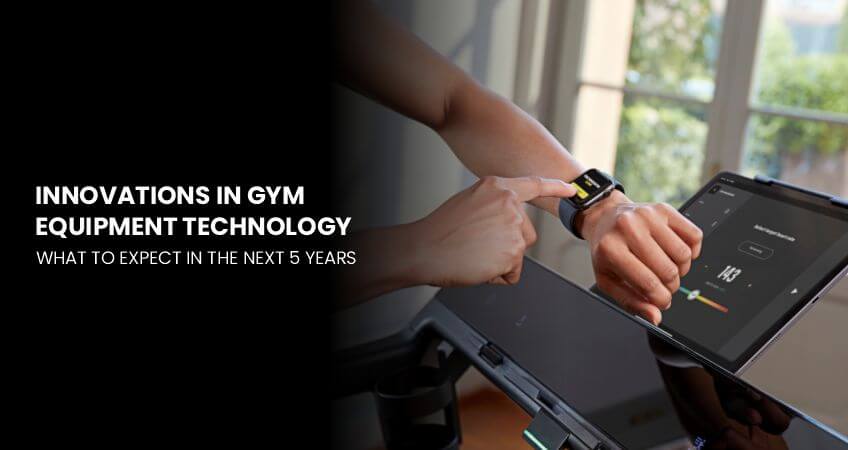
Fitness trackers and smartwatches have already become everyday accessories, but the real potential comes when they sync directly with gym equipment.
Picture this: your smartwatch logs your morning jog, and when you step onto a rowing machine later in the day, it automatically adjusts intensity to complement your workout history. Over time, your gym routine won’t just be about isolated exercises but about seamlessly fitting into your overall lifestyle and health data.
Once trained in a facility that linked gym equipment to an app, showing weekly progress across strength and cardio. It was far more motivating than seeing raw numbers on a single machine. As integration improves, expect gyms to offer a “connected ecosystem” where your entire fitness story is in one place.
Virtual and Mixed Reality Training
For years, people thought VR fitness would just be a fun gimmick. But in the next five years, virtual and mixed reality will likely play a much bigger role in gym equipment technology.
Think of rowing across the Amazon, climbing a mountain in the Alps, or cycling through the streets of Paris—all while standing in your local gym. The immersive experience can make repetitive workouts engaging and, most importantly, sustainable in the long run.
Mixed reality takes it further. Imagine lifting weights while digital overlays show your form in real time, highlighting what to correct. I’ve tested early MR training demos, and they create a powerful sense of accountability that you don’t get from mirrors alone.
Sustainable and Energy-Generating Equipment
Sustainability is no longer optional; it’s a necessity. Over the next five years, expect more gyms to adopt eco-friendly equipment. This doesn’t just mean machines made from recycled materials, but also ones that generate power while you exercise.
For example, treadmills and bikes that feed energy back into the gym’s grid are already being tested. In some cases, a single gym can produce enough electricity to power its lighting or cooling systems.
I once visited a facility in Singapore where cardio equipment powered the fans in the workout area. It was a simple but powerful reminder that every workout could also contribute to a healthier planet. Expect more gyms around the world to follow this path.
Equipment That Focuses on Recovery and Injury Prevention
For decades, gym equipment was designed with one goal: push people harder. But fitness is no longer just about sweat; it’s also about smart recovery and long-term health.
We’re already seeing innovations in this space—machines with built-in massage functions, vibration platforms to improve circulation, and even smart stretching stations that guide mobility exercises. Over the next five years, recovery-focused technology will become as important as the actual workout.
As someone who has struggled with shoulder pain from overtraining, I can’t overstate the value of equipment that helps prevent injuries. Expect to see more machines that use sensors to alert you when your form breaks down, or when you’re lifting too heavy.
Gamification and Social Features
Working out alone can feel repetitive, which is why gamification will continue to shape gym equipment technology. Imagine bikes that not only track your speed but also let you race against friends online, or weight machines that reward you with digital badges when you hit personal records.
Social features will also grow stronger. For example, connected equipment may let you challenge friends in another city or even participate in live global competitions. I’ve personally seen people stick to routines longer when their workouts include some kind of gaming or social connection—it turns fitness into a shared experience rather than a chore.
Personalized Strength Training Machines
Strength training equipment has always been about fixed weights and static settings. But the future looks much more dynamic. Expect machines that adapt resistance based on your range of motion, muscle fatigue, and real-time strength output.
Instead of lifting a standard 50 pounds throughout the entire movement, a smart machine might apply different resistance as your muscles contract and release. This ensures maximum efficiency and reduces injury risks.
Once trained on a beta machine that adjusted resistance within each rep, it was one of the most natural lifting experiences I’ve ever had. In five years, this type of personalization may replace the clunky pin-loaded machines we see today.
Conclusion: Preparing for the Next Era of Fitness
The next five years will be exciting for anyone serious about fitness. Smarter machines, VR-driven workouts, energy-generating treadmills, and AI-powered coaching will reshape how we approach exercise. Gym equipment technology isn’t just about tools anymore—it’s about creating a fully connected experience that adapts to each individual.
For gym owners, this means staying ahead of trends to attract members. For fitness enthusiasts, it means embracing tools that can help you train smarter, recover better, and stay consistent.
If you’re planning your fitness goals for the future, keep an eye on these innovations—they’re coming sooner than you think.