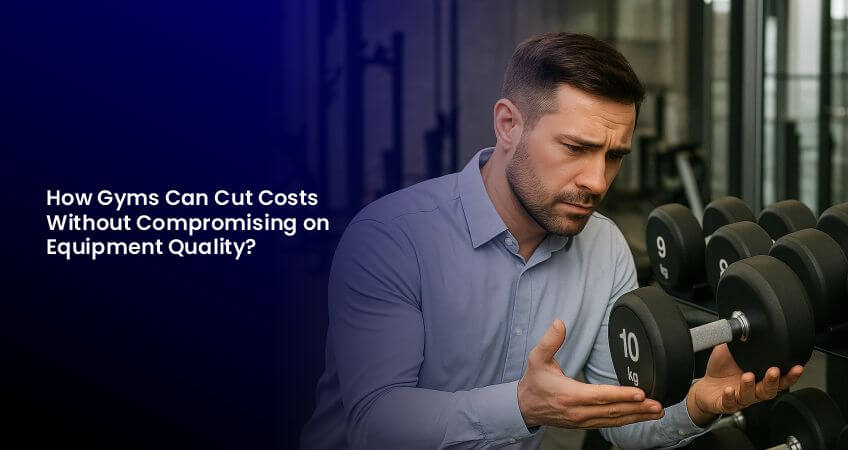
Running a gym in India today is both exciting and challenging. Between rising operational costs, evolving fitness trends, and the pressure to retain members, gym owners must make smart financial decisions. One of the biggest challenges? Saving money without compromising the quality of gym equipment.
In this guide, we’ll share practical, India-specific strategies to help you reduce costs while still offering your members a top-tier workout experience.
Top Cost Saving Tips for Gym Equipment
1. Smart Equipment Procurement
a) Invest in Durable, Multi-Functional Machines
Quality costs less in the long run. Instead of cheap equipment that breaks down frequently, invest in durable and multi-purpose machines like multi-gyms, squat racks, or adjustable benches. Brands like Nustep Fitness India offer equipment built to last under heavy usage.
b) Consider Refurbished or Pre-Owned Equipment
Certified pre-owned gym machines can offer the same performance as new ones, at a much lower price. Just ensure the supplier provides proper testing, warranty, and service support.
c) Buy in Bulk to Save
Negotiate discounts with suppliers when purchasing in bulk. Building long-term relationships with vendors like Nustep Fitness India can also unlock flexible payment terms, free servicing, or priority support.
2. Minimise Maintenance Costs
a) Set Up a Preventive Maintenance Plan
Routine cleaning, inspections, and servicing can extend equipment life. For example, lubricating treadmill belts or checking cable tension can prevent major failures.
b) Train Staff for Basic Repairs
Equip your trainers or floor staff with skills to handle minor repairs, like tightening bolts or replacing grips. It cuts dependency on external technicians.
c) Use Warranty & Service Contracts Wisely
Always choose equipment that includes extended warranties or service plans. This safeguards your budget from unexpected repair costs.
3. Optimise Gym Space & Layout
a) Design an Efficient Floor Plan
Maximise your existing space. Wall-mounted racks, foldable benches, and vertical storage help reduce clutter and the need for excess equipment.
b) Add Bodyweight & Functional Training Zones
Create areas for resistance bands, TRX, kettlebells, and yoga — low-cost, high-impact options that don’t require major investment.
4. Use Technology to Save Time & Money
a) Gym Management Software
Streamline admin work like billing, bookings, and attendance tracking with affordable Indian gym management platforms.
b) Track Equipment Usage with IoT Devices
Identify underused equipment through smart sensors and usage data. Replace or rotate machines based on actual demand, not guesswork.
c) Offer Virtual or Hybrid Classes
Reduce physical equipment usage by offering yoga, Zumba, or HIIT sessions online. Great for member engagement and cost control.
5. Lower Operational Expenses
a) Go Energy-Efficient
Switch to low-power equipment, LED lighting, and motion sensors to cut electricity bills. Also, switch off unused machines during off-peak hours.
b) Negotiate Rent & Utilities
If you’re in cities like Delhi or Mumbai, renegotiate rent or explore co-location options. Review electricity/water providers annually for better deals.
c) Outsource Non-Core Roles
Hiring third-party vendors for cleaning, security, or reception can be cheaper than maintaining in-house teams.
6. Focus on Retaining Members
a) Keep Equipment in Top Condition
Members stick with gyms that offer smooth, safe equipment. Investing in quality builds trust and long-term loyalty.
b) Flexible Membership Plans
Short-term, pay-as-you-go, or trial memberships attract price-sensitive users while maintaining cash flow.
c) Launch Referral Programmes
Turn members into marketers. Offer a free session or discount for every successful referral — a low-cost way to grow your base.
7. Source Smart & Local
a) Buy Indian, Save More
Support a local fitness equipment Supplier. They offer competitive prices, faster shipping, and better post-sale service.
b) Customise for Indian Market Needs
Ask for compact, affordable machines suited to urban spaces. Local suppliers understand what Indian gyms need.
8. Train Staff for Greater Efficiency
a) Upskill Your Team
Teach trainers how to instruct proper equipment usage to avoid misuse and damage.
b) Hire Multi-Skilled Staff
Look for trainers who can teach classes, handle members, and perform basic maintenance, reducing overall staffing costs.
9. Monitor Market Trends & Competitors
a) Follow Fitness Trends
Know what’s in demand — whether it’s functional fitness or yoga — and adapt without overspending.
b) Learn from Competitors
Watch how other gyms are cutting costs, retaining members, or using space. Apply what fits your setup.
c) Use Digital Marketing Smartly
Ditch expensive print ads. Use Instagram, WhatsApp, and YouTube to promote your gym with videos, reels, and client testimonials.
10. Balance Cost-Cutting with Safety & Quality
- Never compromise member safety to save money.
- Plan for future growth with modular and scalable equipment.
- Collect member feedback regularly to invest in what matters most.
Conclusion
Running a successful gym in India isn’t just about saving money — it’s about investing wisely. From buying durable gym equipment to using digital tools, there are countless ways to reduce costs without lowering your standards.
By applying the strategies above — and partnering with trusted suppliers like Nustep Fitness India — you’ll build a gym that’s cost-effective, member-focused, and future-ready.