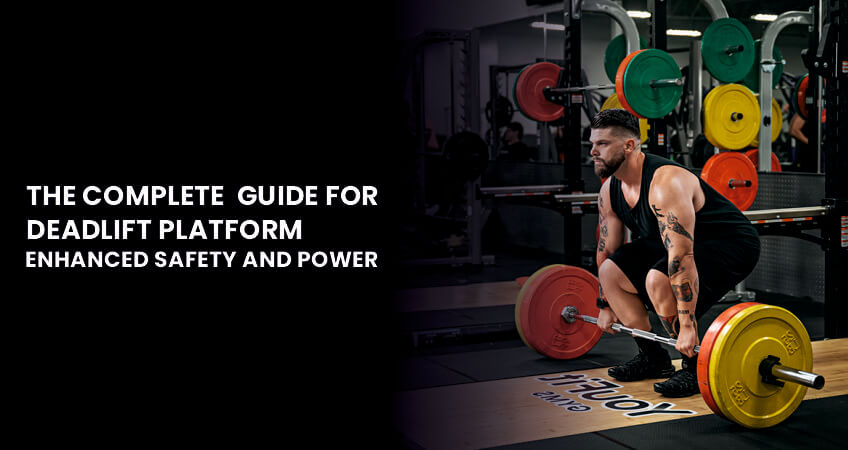
If you’ve been lifting heavy for a while, you know the deadlift is more than just another exercise. It’s the backbone of strength training and a true test of raw power. But as anyone who’s trained in a home gym or small fitness studio will tell you, pulling heavy weights off the floor comes with challenges: damaged floors, excessive noise, and unstable footing. That’s where a deadlift platform makes all the difference.
In this guide, we’ll break down why investing in a deadlift platform is worth it, the features you should look for, and even how you can build one yourself if you’re a DIY type. Along the way, we’ll share insights from my own lifting journey and the mistakes we’ve seen lifters make when they skip this crucial piece of equipment.
By the end, you’ll know exactly whether you should buy or build a deadlift platform, and how to get the most out of it.
Why a Deadlift Platform Matters
Think of the deadlift platform as the foundation for your training—literally. When you’re pulling 200, 300, or even 500 pounds off the floor, you need a surface that’s stable, safe, and designed to handle that kind of stress.
Here’s why it matters:
- Floor protection: Dropping a loaded barbell on concrete or wood can crack, dent, or chip the surface. Even rubber mats alone sometimes aren’t enough.
- Noise reduction: Platforms absorb impact, making them a lot quieter. If you’ve ever lifted in an apartment garage or basement gym, you know how important this is for keeping the peace with neighbors and family.
- Barbell preservation: Constantly dropping barbells on unforgiving surfaces can bend or damage the sleeves. A platform helps extend the life of your equipment.
- Consistency: The raised wooden center section provides a flat, firm base for your feet. Unlike rubber mats that sometimes shift or compress, a deadlift platform gives you predictable footing every time.
When we first started training at home, we didn’t think a platform was necessary. We threw down a few horse stall mats and figured we were good. Within months, our garage floor had hairline cracks, and we were dealing with uneven mats under my feet. We learned the hard way: if you’re serious about pulling heavy, you need a dedicated deadlift platform.
Key Features of a Quality Deadlift Platform
Not all platforms are built the same. Whether you’re buying one from a fitness brand or building it yourself, pay attention to these features:
- Size: Most deadlift platforms are 8 feet by 4 feet, though some go up to 8 by 6 feet. Make sure it’s wide enough for sumo deadlifts if that’s your style.
- Center material: Usually plywood or hardwood. This section needs to be sturdy and level for your stance.
- Side material: Thick rubber mats on the sides are crucial for absorbing impact when plates hit the ground.
- Frame: Some commercial platforms come with steel frames to keep everything locked in place. This prevents shifting and adds durability.
- Portability: If you’re training in a shared space, look for platforms that can be assembled and disassembled easily.
- Noise dampening: Certain designs use extra layers of rubber or foam to reduce sound, which is a game-changer for basement or garage gyms.
For most lifters, an 8×4 platform with a plywood center and stall mat sides is the sweet spot. It balances cost, durability, and function without taking up too much space.
DIY vs. Buying a Deadlift Platform
The next big question is: should you build one or buy one?
DIY Platforms
Building your own is surprisingly straightforward. You’ll need:
- 3–4 sheets of ¾-inch plywood
- 2 stall mats (typically 4×6 feet each, cut in half)
- Wood screws and adhesive
- Basic tools: saw, drill, measuring tape
You stack and glue the plywood for thickness, add the rubber mats on the sides, and you’re good to go. The cost usually comes in around ₹15,000–₹25,000, depending on local material prices.
The upside? It’s cheap and customizable. The downside? It’s heavy, permanent, and doesn’t always look as polished as commercial options.
Buying a Platform
Commercial platforms range from ₹45,000 to ₹150,000. Brands like Nustep Fitness India make models that include steel frames, band pegs for resistance training, and professional finishes.
The upside? Professional quality, durability, and usually a cleaner look. The downside? Price, plus shipping costs for something this heavy.
If you’re a competitive lifter or run a small gym, buying is worth it. For the average home lifter, a DIY platform often gets the job done.
Benefits Beyond Deadlifts
Even though it’s called a deadlift platform, the uses go beyond just pulling from the floor.
- Olympic lifts: Platforms are perfect for clean and jerks or snatches, since you’ll be dropping the bar from overhead.
- Accessory work: Romanian deadlifts, rack pulls, and barbell rows feel more stable on a platform.
- Shock absorption: Some lifters use platforms for heavy farmer’s carries or loaded carries since they protect both the weights and the surface.
- Training with bands: Platforms with band pegs allow you to attach resistance bands for variable resistance training.
We’ve even seen lifters use platforms as multipurpose gym flooring, especially when they don’t want to cover their entire garage with mats.
Common Mistakes to Avoid
We’ve watched countless lifters build or use platforms the wrong way. Learn from these mistakes:
- Skipping rubber sides: A plywood-only design looks cheap and won’t absorb impact. Plates will bounce, and the noise will be unbearable.
- Too thin: If you don’t stack enough plywood layers, the platform won’t hold up under heavy loads. Two layers minimum, three is better.
- Uneven flooring: If your garage floor is sloped or uneven, shim it before building. Otherwise, the platform will rock and throw off your stance.
- Going too small: A 6-foot length might work for conventional pulls, but it’ll feel cramped for sumo or Olympic lifts. Stick to 8 feet.
- Overbuilding: Some lifters go crazy with insulation foam, bolts, and multiple rubber layers. It ends up costing as much as a commercial model with no real added benefit.
Our Experience with a Deadlift Platform
When we finally built our own platform, the difference was immediate. Our lifts felt more stable, the sound was manageable, and we stopped worrying about damaging our garage floor. More importantly, our training felt consistent—we had the same surface under my feet every session.
We also noticed my barbell lasted longer. Before the platform, the knurling and sleeves were wearing down fast. With the platform absorbing impact, we weren’t dealing with bent sleeves or chipped plates anymore.
It’s one of those pieces of equipment you don’t think about until you have it. Then you realize how much smoother and safer your training feels.
Conclusion: Should You Invest in a Deadlift Platform?
If you’re serious about strength training, a deadlift platform isn’t just a luxury—it’s a necessity. It protects your floor and equipment, reduces noise, and provides a stable base for your heaviest lifts. Whether you build one yourself or buy a commercial model depends on your budget and space, but either way, the payoff is worth it.
Think of it this way: you spend hundreds on a quality barbell and plates. Why wouldn’t you spend a fraction of that to protect both your gear and your home?
If you’re training in a garage, basement, or home gym, we’d recommend starting with a DIY platform. If you expand later or open a small gym, upgrading to a commercial model makes sense.
So the next time you load up the bar for a heavy pull, ask yourself: do you want to lift with confidence and consistency, or risk your floor, barbell, and sanity? The answer should be clear.